
April 2026

Business & Growth

The Hidden Costs of Traditional Offices and What SMEs Should Do Instead

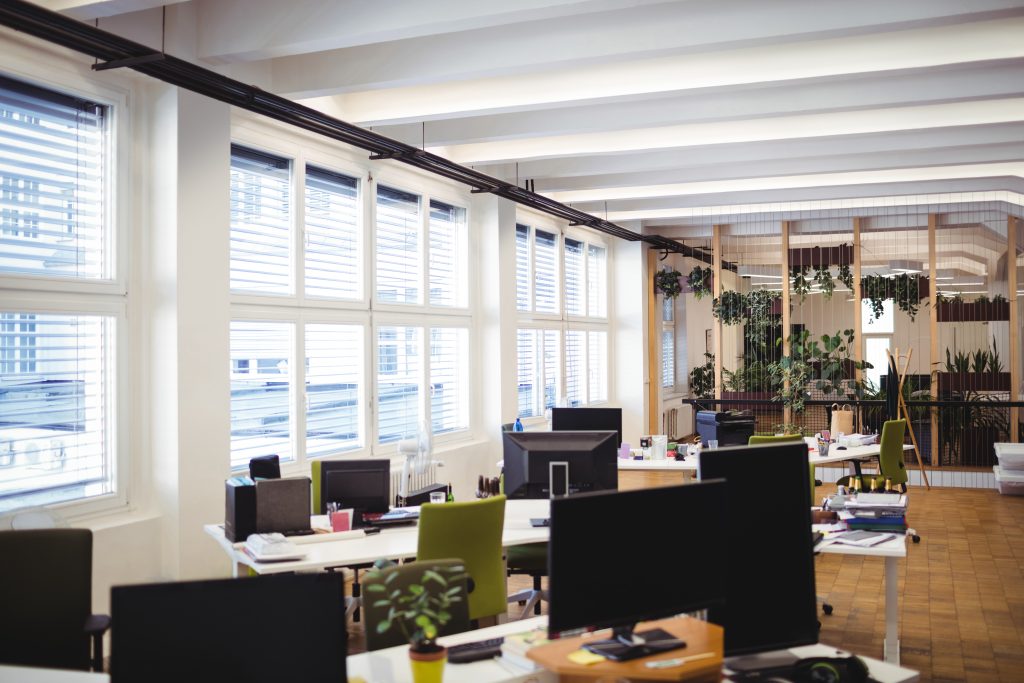
The Hidden Costs of Traditional Offices and What SMEs Should Do Instead April 21, 2026 Business & Growth The Workspaces Team Share Blog: Facebook Linkedin X For many small and medium enterprises, renting a traditional office seems like a necessary part of doing business. A fixed address, dedicated desks, and meeting rooms convey professionalism and stability. However, the reality is that conventional offices come with hidden costs and challenges that can weigh heavily on an SME’s budget and agility. Understanding the trade-offs between a traditional office and a virtual or flexible office can help businesses make smarter decisions that balance cost, productivity, and employee satisfaction. The True Cost of a Traditional Office Maintaining a conventional office often involves more than just paying monthly rent. Several hidden expenses can quietly add up over time: Utilities and maintenance – Electricity, water, cleaning, repairs, and general upkeep often exceed initial estimates. Furniture and equipment – Desks, chairs, printers, and other essentials require upfront investment and periodic replacement. Insurance and compliance – Protecting assets and meeting regulatory requirements adds recurring costs. Long-term leases – Fixed contracts limit flexibility and can be costly to exit if business needs change. These factors make the total cost of running a traditional office significantly higher than the monthly rent suggests. Operational Challenges and Staffing Implications Beyond finances, conventional offices bring operational complexities that SMEs must manage: Management overhead – Supervising facilities, maintaining equipment, and coordinating office logistics takes time and resources away from core business activities. Staff expectations – Many professionals now expect hybrid or flexible arrangements. Companies locked into rigid office hours may struggle to attract or retain top talent. Retention challenges – Employees are more likely to stay in environments that offer autonomy, flexibility, and a comfortable workspace that supports productivity. Market Flexibility and Agility Rigid office setups can limit a business’s ability to respond quickly to market changes: Faster market shifts – Customer demands, technology trends, and competitive pressures evolve rapidly. Fixed office structures can slow decision-making and adaptation. Scaling limitations – Expanding or downsizing office space involves long-term contracts and significant costs, making it difficult to match resources to changing business needs. Opportunity costs – Time and energy spent managing an inflexible office is time not spent on growth initiatives, client acquisition, or innovation. Smart Alternatives for SMEs Flexible office solutions provide a practical path forward. Options such as coworking spaces, shared offices, or hybrid setups allow SMEs to enjoy professional environments without the burden of long-term commitments. Key advantages include: Pay-as-you-go arrangements – Rent only the space you need, when you need it. Professional facilities – Meeting rooms, high-speed internet, and equipped workstations are ready to use. Scalable options – Easily increase or reduce space as your team grows or contracts. Flexible locations – Work from spaces near clients, partners, or employee homes to reduce travel time. In Kawit, SMEs benefit from venues like Workspaces by SOS, which offer flexible office desks, meeting rooms, and collaborative areas. These setups let teams focus on business outcomes rather than office management. Practical Tips for Transitioning When moving from a traditional office to a flexible workspace: Assess actual space needs – Evaluate your team size, meeting frequency, and operational requirements. Choose hybrid models – Allow employees to work from home on certain days and use professional spaces for collaboration or client meetings. Prioritize cost-effective facilities – Focus on essentials like high-speed internet, ergonomic furniture, and meeting rooms rather than unnecessary frills. Consider accessibility – Locations near public transport or key business areas reduce commuting time and improve attendance. Leverage scalable memberships – Many providers, including Workspaces by SOS, offer flexible packages to suit evolving business needs. Final Thoughts The comparison of a traditional office vs virtual office highlights that the most expensive option is not always the most effective. SMEs can save money, increase flexibility, and enhance employee satisfaction by embracing modern workspace solutions. Flexible offices allow businesses to focus on what matters: growth, productivity, and client satisfaction. By making intentional choices about workspace, SMEs can reduce overhead, retain talent, and remain agile in a fast-changing market. For SMEs looking to adapt without sacrificing professionalism, exploring flexible options such as coworking spaces or virtual office setups is a practical and strategic step forward. Tags: 5-min read, virtual office, tips and guides, traditional office vs virtual office, SME office solutions, flexible workspace, business costs, office overhead, coworking, virtual office Philippines, cost efficiency Category: Business & Growth ← Back to Blogs More Productive Reads Half-Day vs Full-Day Workshops: Which Format Works Best for Your Business? Read Article → The Real ROI of Coworking Spaces for Freelancers and Small Teams Read Article → Load More


Meetings & Events

Half-Day vs Full-Day Workshops: Which Format Works Best for Your Business?

Half-Day vs Full-Day Workshops: Which Format Works Best for Your Business? April 15, 2026 Meetings & Events The Workspaces Team Share Blog: Facebook Linkedin X When planning a business workshop, most teams focus on content, speakers, and objectives. However, one critical factor is often overlooked: how long the workshop should actually run. Choosing between a half-day and a full-day workshop is not merely a scheduling decision as it also directly affects engagement, retention, and the overall success of the session. The right format depends on what you want to achieve, who your audience is, and how you want participants to interact with the material. Understanding these differences allows businesses to design workshops that are not only efficient, but also impactful. When a Half-Day Workshop Works Best Half-day workshops are most effective when the goal is clear, focused, and achievable within a shorter time frame. They are ideal for sessions that require alignment, quick knowledge transfer, or targeted discussions without going too deeply into complex material. By keeping the scope defined, teams can stay on track, make decisions efficiently, and leave with clear, actionable outcomes. Focused Objectives If your workshop is centered on a single topic or outcome, a half-day format helps keep discussions tight and purposeful. It works well for sessions that aim to inform, update, or refine specific skills without overwhelming participants. Time Efficiency Shorter sessions are easier to fit into busy schedules. For teams balancing operational responsibilities, a half-day workshop minimizes disruption while still delivering value. Higher Energy and Engagement With limited time, participants are more likely to stay attentive and engaged throughout the session. There is less risk of fatigue, which often leads to better absorption of information. Common Use Cases Team briefings and updates Skill refreshers Client presentations Short training sessions In many cases, businesses opt to hold these sessions in accessible, professional environments like Workspaces by SOS, where everything is already set up to support a smooth and focused session without requiring extensive preparation. When a Full-Day Workshop Is the Better Choice Full-day workshops are better suited for deeper, more complex engagements that require time for exploration, discussion, and collaboration. This format allows teams to move beyond initial ideas, work through challenges in detail, and develop more refined outputs through structured activities and continuous interaction. Complex or Multi-Part Topics When the subject matter involves multiple components or requires hands-on activities, a full-day format provides the space needed to go beyond surface-level understanding. Strategic and Planning Sessions Workshops focused on strategy, problem-solving, or long-term planning benefit from extended time. These sessions often require reflection, iteration, and group input, which cannot be rushed. Collaboration and Interaction A full-day setup allows for breakout sessions, group exercises, and feedback loops. This creates a more dynamic environment where participants can actively contribute. Common Use Cases Strategy workshops Team alignment sessions In-depth training programs Annual or quarterly planning For these longer sessions, having access to a well-equipped and comfortable venue becomes even more important. Spaces like Workspaces by SOS provide meeting rooms that can accommodate extended sessions, helping teams stay focused and organized throughout the day. Key Factors to Consider When Choosing Selecting the right format requires balancing several practical considerations. Beyond simply choosing based on available time, it is important to align the workshop format with the depth of discussion required, the expected outcomes, and the level of participation needed to make the session effective. Objective of the Workshop Start with the outcome in mind. If the goal is to deliver information, a shorter format may be enough. If the goal is transformation, alignment, or decision-making, more time is often necessary. Audience Attention Span Even the most well-designed workshop can lose impact if participants become fatigued. Consider how long your audience can stay engaged and plan accordingly. Content Complexity Avoid trying to compress complex topics into a short session. This often leads to rushed discussions and limited retention. Budget and Resources Time, facilitator availability, and venue costs all play a role. However, cutting time at the expense of effectiveness can lead to poor outcomes. Environment and Setup The space where the workshop takes place can significantly influence engagement. A well-lit, comfortable, and properly equipped room supports better focus and smoother execution. This is where flexible venues such as Workspaces by SOS become valuable. With scalable meeting room options, businesses can choose setups that match their session size and duration without overcommitting to large or costly venues. The Role of the Right Space in Workshop Effectiveness Although the entire point of a workshop is to deliver content to the audience, the environment plays a key role in how that content is received. Room layout, seating arrangement, lighting, and accessibility all contribute to participant experience. A cramped or poorly equipped space can disrupt flow, while a well-designed environment encourages interaction and focus. For both half-day and full-day workshops, having access to a reliable venue removes many logistical challenges. So instead of worrying about setup, facilitators can focus on delivering lasting value and impact to the audience. Many businesses are now moving away from traditional hotel ballrooms and opting for more flexible spaces like Workspaces by SOS, where meeting rooms and event halls can be tailored to different workshop formats, from small team sessions to larger group events. A Hybrid Approach: Combining the Best of Both Formats In some cases, the best solution is not choosing between half-day or full-day, but combining elements of both. A hybrid approach allows you to structure sessions in a way that balances depth with flexibility, depending on the needs of your team and the complexity of the topic. Workshops can be split into multiple shorter sessions across different days, giving participants time to absorb information, reflect, and return with more thoughtful input. This often leads to better retention and more meaningful discussions compared to trying to cover everything in a single sitting. This approach is especially useful for ongoing training programs, strategic initiatives, or projects that require continuous input and iteration. It also reduces fatigue while maintaining momentum, making it easier for teams to stay engaged over a longer period without disrupting their day-to-day responsibilities. Practical Recommendations To ensure your workshop delivers results: Match the format to

Coworking & Productivity

The Real ROI of Coworking Spaces for Freelancers and Small Teams

The Real ROI of Coworking Spaces for Freelancers and Small Teams April 13, 2026 Coworking & Productivity The Workspaces Team Share Blog: Facebook Linkedin X For many freelancers and small teams, coworking spaces are often seen as an added expense. When you already have a home setup or access to cafes, paying for a workspace can feel unnecessary. However, this perspective only looks at cost on the surface and does not account for what is gained in return. The real return on investment of coworking spaces goes beyond rent or daily rates. It includes productivity, time efficiency, professional credibility, and even consistency in how work gets done. When viewed this way, coworking becomes less of a cost and more of a strategic tool for better output. What ROI Really Means for Freelancers and Small Teams Return on investment is often associated purely with financial gain. However, for independent professionals and small teams, intangible factors such as time, focus, and work quality carry just as much weight. A distracted workday, unreliable internet, or an unproductive environment can result in missed opportunities that cost far more than the price of a workspace. There is also the concept of opportunity cost to consider. If your current setup limits your ability to concentrate, collaborate effectively, or present yourself professionally to clients, that limitation directly affects your potential for growth. Understanding ROI in this context shifts the question from “How much does coworking cost?” to “What does it enable me to do better?” The Hidden Costs of Working From Home or Cafes Working from home or in cafes is convenient, but it often comes with trade-offs that are easy to overlook. Distractions and inconsistent focus  Household interruptions, noise, and multitasking can break concentration throughout the day. Unreliable setup Internet issues, limited desk space, and uncomfortable seating can slow down work. Limited professionalism Taking client calls or meetings in informal settings can affect how your work is perceived. Blurred boundaries When work and personal spaces overlap, it becomes harder to maintain a consistent routine. Individually, these may seem minor. Over time, they compound into reduced productivity and missed opportunities. These challenges are explored further in our previous articles comparing coffee shops vs coworking spaces and working from home vs coworking setups, where we break down how different environments directly impact focus and performance. Tangible ROI of Coworking Spaces Coworking spaces offer clear, practical advantages that directly impact efficiency and cost management, especially for professionals balancing remote work with the need for a more consistent and productive environment. Cost Efficiency Compared to Traditional Offices Unlike traditional office setups, coworking spaces do not require long-term leases, large deposits, or upfront investment in furniture and equipment. This makes them accessible for freelancers and small teams who want a professional setup without committing to fixed overhead. Access to Professional Facilities Reliable internet, proper workstations, and meeting rooms are readily available. Instead of piecing together a work environment, everything is already designed for productivity. This level of readiness reduces daily friction. There is no need to troubleshoot connectivity issues, adjust makeshift setups, or search for suitable meeting venues. Having consistent access to well-maintained facilities allows professionals to focus more on delivering quality work and less on managing their environment. Scalability for Small Teams As teams grow or change, workspace needs can adjust accordingly. You are not locked into more space than you actually use. For example, many professionals in Cavite choose to work from home on some days and use spaces like Workspaces by SOS when they need a more structured setup or a place to meet clients. Intangible ROI That Drives Real Results Some of the most valuable returns are not immediately visible, but they significantly affect performance. Improved Focus and Productivity A dedicated work environment reduces distractions and signals to your brain that it is time to focus. This often leads to better output in less time. When you consistently work in a space designed for productivity, it becomes easier to build routines and maintain deep focus. Over time, this can improve not only the speed of your work but also the quality of your output, as fewer interruptions allow for more sustained concentration. Professional Image Meeting clients in a proper workspace creates a stronger impression. It reflects reliability and preparedness, which can influence trust and decision-making. A professional setting also provides a level of consistency in how you present your work and your brand. Whether it is a formal meeting or a quick discussion, the environment plays a role in reinforcing credibility and making interactions feel more structured and intentional. Time Savings Less time is spent setting up, troubleshooting, or adjusting your environment. You can start working immediately and maintain momentum throughout the day. This efficiency compounds over time. Small delays caused by unstable internet, uncomfortable setups, or constant adjustments can add up and disrupt your workflow. A ready-to-use environment removes these barriers, allowing you to focus on high-value tasks from the moment you begin working. Clear Work-Life Boundaries Having a separate space for work helps create structure. This separation supports consistency and reduces burnout over time. When your workspace is physically distinct from your personal space, it becomes easier to establish routines and switch off at the end of the day. This balance supports long-term productivity by helping you stay disciplined during work hours while still allowing time to rest and recharge. Coworking as a Strategic Tool, Not Just a Workspace Coworking does not have to be an everyday expense to deliver value. Many freelancers and teams use it intentionally. For example: Booking a workspace for deep focus days Using meeting rooms for client presentations Gathering teams for collaboration sessions In places like Kawit, having access to a nearby option such as Workspaces by SOS makes this approach more practical. It allows professionals to choose the environment that fits the task, instead of forcing all work into a single setup. Final Thoughts The real ROI of coworking spaces is not just about what you spend. It is about what you gain in return. Better focus, stronger client impressions, more efficient workdays, and improved consistency all contribute to long-term growth. For freelancers and small teams, these advantages often outweigh the cost of access to a professional workspace. If your current setup makes it harder to stay

Scroll to Top