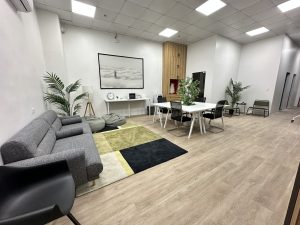
Many students and professionals still prefer studying in coffee shops for the ambiance, the energy, and the convenience that it provides. While these spaces offer comfort and familiarity, they are not always the most effective places for deep work and sustained concentration. Nowadays, coworking spaces have emerged as more productive, cost-efficient, and healthier alternatives for those who need reliable study or work environments.
This article explores why coworking spaces offer significant advantages over coffee shops and why many students and professionals are shifting to dedicated shared workspaces across Cavite and the Philippines.
Why Coffee Shops Often Fall Short as Study Spaces
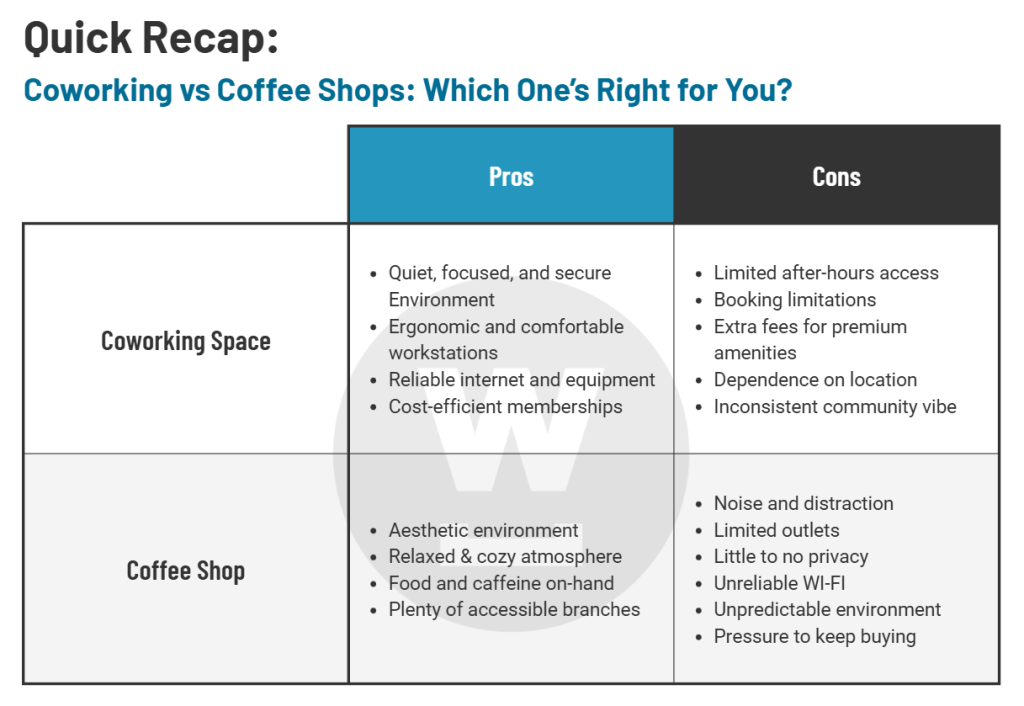
Coffee shops are ideal for casual conversations and occasional brainstorming, but they present challenges that can hinder focus and productivity.
1. The Illusion of Productivity
Ambient noise in cafes may feel energizing at first. However, studies have shown that constant background conversation reduces the ability to focus on complex tasks. Research by Mehta, Zhu, and Cheema (2012) found that exposure to moderate ambient noise reduces information processing and concentration, making it harder to retain details during deep study sessions.
Coworking spaces provide controlled environments where users can choose quiet zones for focus or collaborative areas for group work without unpredictable interruptions.
2. Frequent Distractions
Coffee shops introduce what researchers call micro interruptions. These include sudden laughter, music changes, or people entering and exiting. Each disruption requires the brain to reset attention, reducing overall productivity over time.
Coworking spaces minimize these interruptions by promoting a quiet, professional atmosphere where individuals are focused on studying or working.
3. Hidden and Recurring Costs
Regular trips to coffee shops often come with the pressure to keep purchasing drinks or food. A single visit may seem inexpensive, but weekly or daily visits can accumulate substantial costs over the course of a month.
Coworking spaces offer far more predictable and often lower expenses. In Kawit, Cavite, for example, Workspaces by SOS provides flexible membership options beginning at about ₱510 per month or hourly access starting at ₱60. These packages include high speed internet, ergonomic seating, and quiet study areas without the pressure to make continuous purchases.
4. Lack of Ergonomics
Cafe seating is rarely designed for long hours of study or work. Low tables, hard stools, or cramped layouts may lead to discomfort, back strain, and lower productivity. Research consistently shows that physical comfort has a direct influence on cognitive performance.
Coworking spaces prioritize ergonomics and provide proper chairs, desks, and lighting to support longer study periods while maintaining physical well-being.
5. The Pressure to Keep Ordering
Many students feel compelled to buy additional drinks or snacks to justify staying longer in a coffee shop. This unspoken pressure can interrupt workflow and affect both concentration and budgeting.
In coworking spaces, users can stay for hours without worrying about being a customer. Once access is paid, the environment is theirs to use freely.
6. Privacy and Security Concerns
Public spaces come with risks related to screen privacy, device security, and sensitive information. Leaving belongings unattended even briefly is unsafe in busy environments.
Coworking spaces provide secure and monitored environments with reliable Wi-Fi, controlled access, and private areas for calls or online meetings.
7. Unpredictable Environment
Coffee shops vary widely in noise level, seating availability, temperature, and internet stability. Consistency is important for productivity, and coworking spaces are designed to deliver the same high quality work environment every visit.
Why Coworking Spaces Are Better for Studying in 2026
Coworking spaces have grown significantly across the Philippines as hybrid learning and remote work continue to expand. These spaces offer features that directly support productive studying and professional development.
Key benefits include:
- Quiet zones suited for long periods of concentration
- Ergonomic and comfortable seating
- Reliable high-speed internet
- Proper lighting that reduces eye strain
- Flexible membership plans that adapt to a variety of schedules
- Access to private rooms and meeting areas
The structured yet welcoming environment of a coworking space eliminates many of the distractions and costs associated with studying in coffee shops. Users often report improved focus, better task completion, and more efficient study routines when using coworking facilities.
Choosing the Right Coworking Space in Cavite
Cavite continues to see strong growth in demand for coworking options among students, freelancers, and remote workers. One of the standout facilities in the region is Workspaces by SOS in Kawit, Cavite.
Workspaces by SOS provides:
- Comfortable, ergonomic desks and chairs
- High speed, stable internet
- Quiet study areas and private rooms
- Open spaces for collaboration
- A calm, professional work environment
- An in-house cafe, Kaffeinism, for accessible refreshments without the noise and crowding of public coffee shops
These features create an ideal environment for consistent and effective studying.
Conclusion
Coffee shops will always be enjoyable places to relax or meet friends, but they are not always suited for serious academic or professional work. Coworking spaces provide consistency, comfort, focus, and a community of individuals working toward their goals.
For students and professionals in Kawit, Cavite, Workspaces by SOS offers an accessible and productive alternative that supports long term learning, focus, and well-being.