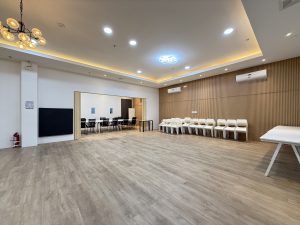
The traditional office model once revolved around fixed locations, cubicles, and rigid schedules. Today, that model no longer reflects how many professionals actually work. As flexible arrangements become the norm, coworking and pro-working spaces have emerged as practical alternatives that support productivity, adaptability, and professional credibility.
Rather than committing to long-term leases, businesses and individuals are increasingly choosing shared and flexible work environments that align with modern work styles. In this article, we explore the differences between coworking and pro-working spaces, their core benefits, and why these workspace models continue to gain traction across industries.
What Are Coworking Spaces?
Coworking spaces are shared work environments where professionals from different industries work in the same location. These spaces are designed to support flexibility, collaboration, and efficiency, making them suitable for freelancers, startups, remote workers, and small teams.
Unlike traditional offices, coworking spaces offer flexible access and membership options. Users can choose between hot desks, dedicated desks, or private offices depending on how often they need the space and the level of privacy required.
Key Features of Coworking Spaces
Community and Networking
Coworking environments encourage interaction among members. Working alongside professionals from various backgrounds creates opportunities for networking, idea-sharing, and collaboration, which can be especially valuable for independent professionals and growing businesses.
Flexibility
Coworking spaces typically offer short-term and scalable plans. Whether someone needs a workspace a few days a week or a more consistent setup, coworking allows users to adjust without being tied to long-term commitments.
Amenities and Services
Most coworking spaces provide essential business amenities such as reliable internet, meeting rooms, printing facilities, and pantry access. Many also host events, workshops, or community activities that support professional development.
Cost Efficiency
For startups and small businesses, coworking offers a more cost-effective alternative to leasing a traditional office. It removes the need to manage utilities, maintenance, and fit-out costs while still providing a professional working environment.
What Are Pro-Working Spaces?
Pro-working spaces, sometimes referred to as professional working spaces, are a more structured and premium alternative to standard coworking setups. While they share the same flexible philosophy, pro-working spaces are designed for professionals and teams that require greater privacy, consistency, and a more formal business setting.
These spaces are commonly used by established companies, client-facing teams, and executives who need a quieter environment and a stronger emphasis on professionalism.
Key Features of Pro-Working Spaces
Privacy and Exclusivity
Pro-working spaces usually offer private offices or enclosed suites. This setup is well-suited for businesses that handle confidential work or require uninterrupted focus.
Premium Amenities
Compared to typical coworking spaces, pro-working environments often include upgraded facilities such as reception services, higher-end meeting rooms, and well-appointed common areas designed for client interactions.
Professional Image
Pro-working spaces are intentionally designed to project a polished and credible business image. Quality furnishings, consistent branding, and well-maintained facilities help reinforce professionalism.
Customisable Workspaces
Many pro-working providers allow businesses to customise their office layout, branding, or access to specific services. This flexibility helps companies align the workspace with their operational needs without managing an entire office independently.
Why Coworking and Pro-Working Spaces Are Gaining Popularity
Several factors continue to drive the growth of coworking and pro-working spaces.
Evolving Work Culture
Remote and hybrid work arrangements have changed expectations around where and how work happens. Coworking supports this shift by offering structure without rigidity.
Cost Control and Scalability
Both coworking and pro-working spaces reduce financial risk by eliminating long-term lease obligations. Businesses can scale up or down based on demand without major overhead.
Access to Professional Networks
Coworking spaces, in particular, create organic opportunities to connect with other professionals. These interactions often lead to partnerships, referrals, or shared projects.
Work-Life Balance
Many flexible workspaces are designed to support healthier routines, offering comfortable environments, shared amenities, and spaces that reduce the stress associated with long commutes or isolated home offices.
Improved Productivity
Working in a dedicated, professional environment helps separate work from home life. The presence of other focused professionals can also reinforce accountability and motivation.
The Role of Coworking in the Future of Work
Coworking and pro-working spaces have reshaped how businesses approach office space. They provide practical, flexible, and cost-efficient solutions for professionals at different stages of growth.
Whether someone is an independent freelancer seeking structure, a startup looking for flexibility, or an established business requiring a credible and client-ready environment, coworking and pro-working spaces offer adaptable options that reflect modern work realities. As work models continue to evolve, these spaces will remain a central part of how businesses operate, collaborate, and grow.