
Coworking spaces

Coworking & Productivity

Coworking in the Philippines: A Smarter Way to Work

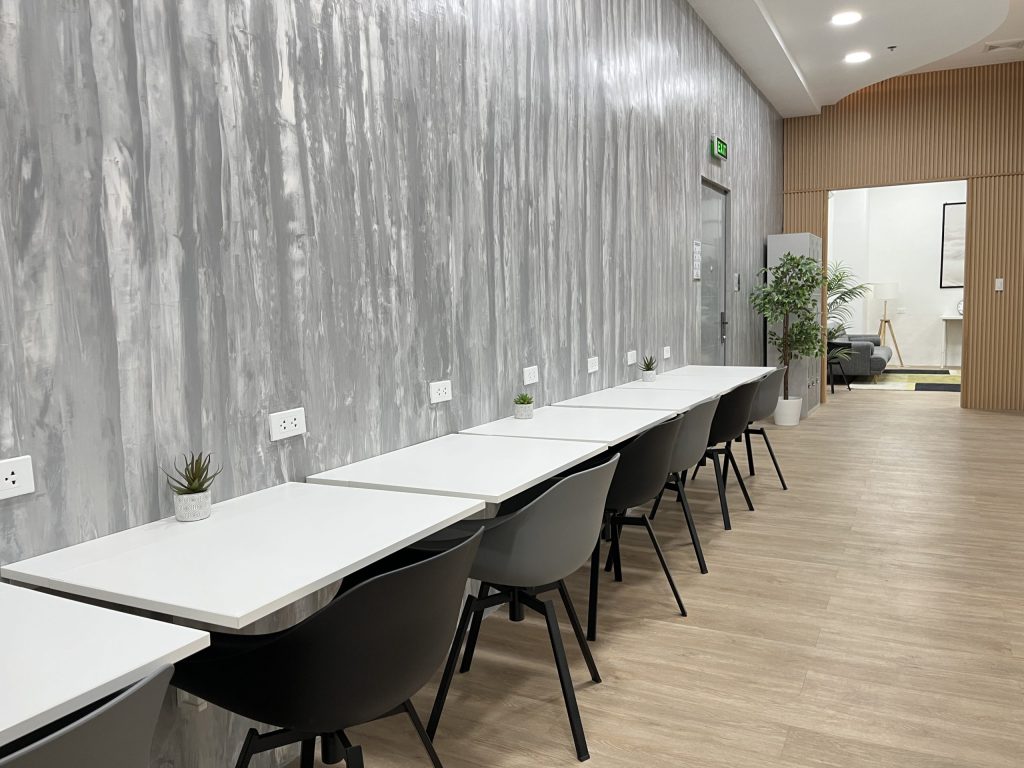
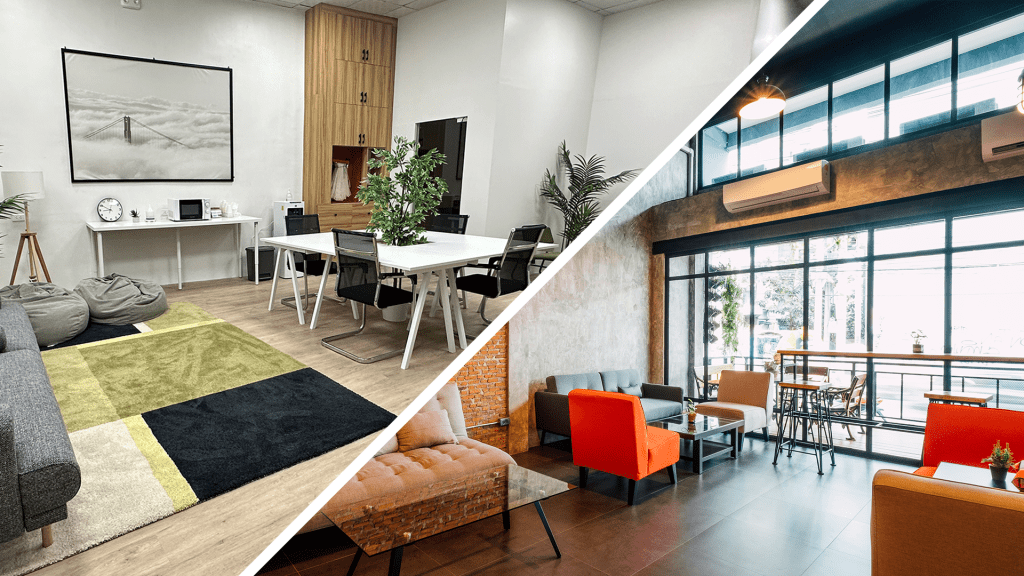
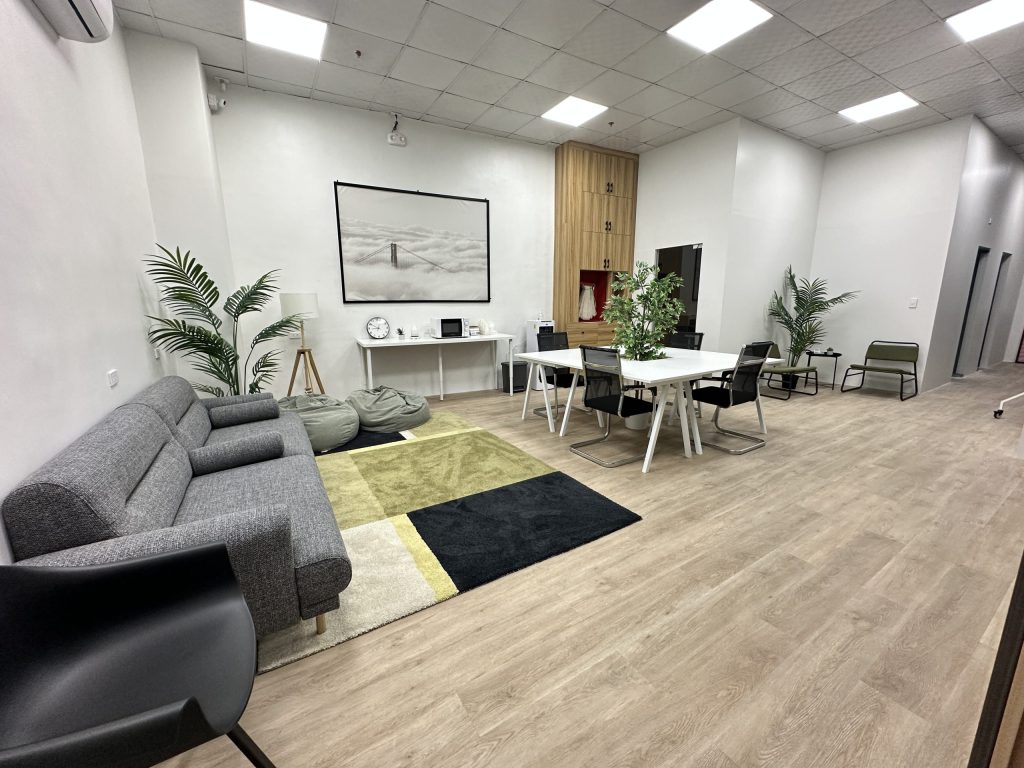
Coworking in the Philippines: A Smarter Way to Work January 19, 2026 Coworking & Productivity The Workspaces Team Share Blog: Facebook Linkedin Twitter The way professionals work has shifted significantly over the past decade. Remote work, hybrid models, and flexible arrangements are now standard across major markets such as the United States and Australia. In Australia, many SMEs and growing companies have moved away from long-term office leases in favor of flexible workspaces that support agility and cost control. Within this global shift, coworking in the Philippines has emerged as a practical and future-ready solution for modern professionals and distributed teams.  Coworking spaces gained momentum as traditional offices struggled to meet rising demands for flexibility, mobility, and collaboration. The first recognized coworking space opened in San Francisco in 2005, marking a turning point for freelancers and independent professionals. What began as a niche concept quickly expanded worldwide. By 2024, more than 40,000 coworking spaces were operating globally, serving over 5 million members. Similar trends are evident in Australia, where demand for coworking and flexible offices continues to grow in cities such as Sydney, Melbourne, and Brisbane. Australian businesses increasingly use coworking spaces to reduce overhead, support hybrid teams, and maintain professional environments without long-term lease commitments.  In the Philippines, coworking has followed a comparable path. Once seen as an alternative workspace, it has become an essential infrastructure for freelancers, startups, small businesses, and remote teams. As companies seek professional environments without expensive fit-outs or restrictive contracts, coworking hubs across the country provide shared desks, meeting rooms, and collaborative spaces that support productivity and sustainable growth.  Why Coworking Became Essential in the Philippines  Coworking spaces became important hubs for innovation and productivity. Several factors contributed to their rapid adoption:  Flexible Rental Options Users can choose hourly, daily, or monthly access depending on their work schedules and budgets.  Collaborative Spaces  Shared lounges and open layouts encourage interaction and idea sharing among professionals from various industries.  Productivity-Focused Design  Unlike homes or coffee shops, coworking hubs are designed to reduce distractions, support deep focus, and promote steady workflow.  Affordable Professional Amenities  Access to fast internet, meeting rooms, and office equipment provides a professional setup without the need for a long-term lease.  Coworking spaces became essential for digital nomads, remote workers, and startups looking for a practical workspace supported by a community-driven environment.  Advantages of Coworking Spaces  Coworking spaces are deliberately structured to help individuals and businesses perform at their best. Some of the most notable advantages include:  Flexibility and Convenience  Whether for a quick task or an entire workday, users can choose access plans that match their schedule. Work happens where and when it is most convenient.  Cost Efficiency  Shared facilities keep operational expenses low while still offering professional-grade amenities.  Enhanced Professional Image  Coworking spaces provide suitable environments for hosting client meetings, interviews, and presentations without the cost of maintaining a dedicated office.  Increased Productivity  These environments reduce noise, interruptions, and inconsistent working conditions, allowing users to maintain focus and accomplish more in less time.  How Workspaces by SOS Supports Coworking in the Philippines  Many startups, small agencies, and independent professionals face a common challenge when selecting a workspace. They need a place that balances creativity with professionalism. They want an atmosphere that can feel relaxed on some days yet formal enough for meetings when necessary. Workspaces by SOS in Kawit, Cavite deliver this balance by offering a variety of coworking solutions for freelancers, students, startups, and teams. Their facilities include:  Hourly desk rentals for short work sessions  Shared lounges that encourage collaboration and connection  Private meeting rooms for client presentations or team discussions  Event rooms that can accommodate up to 80 people  Fast and reliable Wi-Fi, printing facilities, and a food and drink reheating station  Onsite access to Kaffeinism, the in-house cafe, for convenient refreshments  Workspaces by SOS also offers virtual office business address plans. These plans provide freelancers and startups with a professional business address in Cavite without the cost of a dedicated office, supporting compliance, credibility, and branding.  What sets Workspaces by SOS apart is adaptability. Whether someone needs a quiet workspace for a few hours, a regular desk for daily productivity, or a virtual office for business registration, their coworking solutions adjust to a wide range of needs.  The result is a workspace that is community driven yet professional, inspiring yet practical. It supports focused work, creative thinking, collaboration, and business growth.  Here’s a short guide on how to get started with Workspaces by SOS: Ready to get started with Workspaces? Click here to explore our spaces and begin booking your space. Why Choose Workspaces by SOS  Selecting the right coworking space is about finding the right balance of focus, connection, flexibility, and professionalism. Workspaces by SOS embodies this balance by offering modern amenities, transparent pricing, and a supportive environment that empowers individuals and teams to succeed.  It provides more than a place to work. It provides a space where ideas develop, opportunities arise, and productivity thrives.  Book a coworking space to boost your productivity! Explore our coworking spaces and meeting rooms designed to boost focus, collaboration and productivity.   Choose a flexible workspace that supports the way you work, without the cost and commitment of a traditional office. Learn More Tags: 5-min read, Coworking Spaces Category: Coworking & Productivity ← Back to Blogs More Productive Reads Why Virtual Offices in Kawit, Cavite Are the Smartest Business Move in 2026 Read Article → The Evolution of Workspaces: Coworking and Pro Working Spaces Read Article → Load More
Coworking & Productivity

Coffee Shops vs Coworking Spaces: Which Is More Productive?

Coffee Shops vs Coworking Spaces: Which Is More Productive? January 12, 2026 Coworking & Productivity The Workspaces Team Share Blog: Facebook Linkedin Twitter Many students and professionals still prefer studying in coffee shops for the ambiance, the energy, and the convenience that it provides. While these spaces offer comfort and familiarity, they are not always the most effective places for deep work and sustained concentration. Nowadays, coworking spaces have emerged as more productive, cost-efficient, and healthier alternatives for those who need reliable study or work environments.  This article explores why coworking spaces offer significant advantages over coffee shops and why many students and professionals are shifting to dedicated shared workspaces across Cavite and the Philippines.  Why Coffee Shops Often Fall Short as Study Spaces  Coffee shops are ideal for casual conversations and occasional brainstorming, but they present challenges that can hinder focus and productivity.  1. The Illusion of Productivity  Ambient noise in cafes may feel energizing at first. However, studies have shown that constant background conversation reduces the ability to focus on complex tasks. Research by Mehta, Zhu, and Cheema (2012) found that exposure to moderate ambient noise reduces information processing and concentration, making it harder to retain details during deep study sessions.  Coworking spaces provide controlled environments where users can choose quiet zones for focus or collaborative areas for group work without unpredictable interruptions.  2. Frequent Distractions  Coffee shops introduce what researchers call micro interruptions. These include sudden laughter, music changes, or people entering and exiting. Each disruption requires the brain to reset attention, reducing overall productivity over time.  Coworking spaces minimize these interruptions by promoting a quiet, professional atmosphere where individuals are focused on studying or working.  3. Hidden and Recurring Costs  Regular trips to coffee shops often come with the pressure to keep purchasing drinks or food. A single visit may seem inexpensive, but weekly or daily visits can accumulate substantial costs over the course of a month.  Coworking spaces offer far more predictable and often lower expenses. In Kawit, Cavite, for example, Workspaces by SOS provides flexible membership options beginning at about ₱510 per month or hourly access starting at ₱60. These packages include high speed internet, ergonomic seating, and quiet study areas without the pressure to make continuous purchases.  4. Lack of Ergonomics  Cafe seating is rarely designed for long hours of study or work. Low tables, hard stools, or cramped layouts may lead to discomfort, back strain, and lower productivity. Research consistently shows that physical comfort has a direct influence on cognitive performance.  Coworking spaces prioritize ergonomics and provide proper chairs, desks, and lighting to support longer study periods while maintaining physical well-being.  5. The Pressure to Keep Ordering  Many students feel compelled to buy additional drinks or snacks to justify staying longer in a coffee shop. This unspoken pressure can interrupt workflow and affect both concentration and budgeting.  In coworking spaces, users can stay for hours without worrying about being a customer. Once access is paid, the environment is theirs to use freely.  6. Privacy and Security Concerns  Public spaces come with risks related to screen privacy, device security, and sensitive information. Leaving belongings unattended even briefly is unsafe in busy environments.  Coworking spaces provide secure and monitored environments with reliable Wi-Fi, controlled access, and private areas for calls or online meetings.  7. Unpredictable Environment  Coffee shops vary widely in noise level, seating availability, temperature, and internet stability. Consistency is important for productivity, and coworking spaces are designed to deliver the same high quality work environment every visit.  Why Coworking Spaces Are Better for Studying in 2026  Coworking spaces have grown significantly across the Philippines as hybrid learning and remote work continue to expand. These spaces offer features that directly support productive studying and professional development.  Key benefits include:  Quiet zones suited for long periods of concentration  Ergonomic and comfortable seating  Reliable high-speed internet  Proper lighting that reduces eye strain  Flexible membership plans that adapt to a variety of schedules  Access to private rooms and meeting areas  The structured yet welcoming environment of a coworking space eliminates many of the distractions and costs associated with studying in coffee shops. Users often report improved focus, better task completion, and more efficient study routines when using coworking facilities.  Choosing the Right Coworking Space in Cavite  Cavite continues to see strong growth in demand for coworking options among students, freelancers, and remote workers. One of the standout facilities in the region is Workspaces by SOS in Kawit, Cavite.  Workspaces by SOS provides:  Comfortable, ergonomic desks and chairs  High speed, stable internet  Quiet study areas and private rooms  Open spaces for collaboration  A calm, professional work environment  An in-house cafe, Kaffeinism, for accessible refreshments without the noise and crowding of public coffee shops  These features create an ideal environment for consistent and effective studying.  Conclusion  Coffee shops will always be enjoyable places to relax or meet friends, but they are not always suited for serious academic or professional work. Coworking spaces provide consistency, comfort, focus, and a community of individuals working toward their goals.  For students and professionals in Kawit, Cavite, Workspaces by SOS offers an accessible and productive alternative that supports long term learning, focus, and well-being.  Book a coworking space to boost your productivity! Explore our coworking spaces and meeting rooms designed to boost focus, collaboration and productivity.   Choose a flexible workspace that supports the way you work, without the cost and commitment of a traditional office. Learn More References used in the Article Mehta, R., Zhu, R., & Cheema, A. (2012). Is Noise Always Bad? Exploring the Effects of Ambient Noise on Creative Cognition. Klatte, M., Bergström, K., & Lachmann, T. (2013). Does noise affect learning? A short review on noise effects. Frontiers in Psychology. Kostallari, K., Parizet, E., Chevret, P., Amato, J.-N., & Galy, E. (2019). Irrelevant Speech Effect in Open Plan Offices: A Laboratory Study.  Braat-Eggen, E., Reinten, J., Hornikx, M., & Kohlrausch, A. (2021). The Effect of Background Noise on a “Studying for an Exam” Task in an Open-Plan Study Environment.

Coworking & Productivity

The Evolution of Workspaces: Coworking and Pro Working Spaces

The Evolution of Workspaces: Coworking and Pro Working Spaces October 17, 2024 Coworking & Productivity The Workspaces Team Share Blog: Facebook Linkedin Twitter The traditional office model once revolved around fixed locations, cubicles, and rigid schedules. Today, that model no longer reflects how many professionals actually work. As flexible arrangements become the norm, coworking and pro-working spaces have emerged as practical alternatives that support productivity, adaptability, and professional credibility. Rather than committing to long-term leases, businesses and individuals are increasingly choosing shared and flexible work environments that align with modern work styles. In this article, we explore the differences between coworking and pro-working spaces, their core benefits, and why these workspace models continue to gain traction across industries. What Are Coworking Spaces? Coworking spaces are shared work environments where professionals from different industries work in the same location. These spaces are designed to support flexibility, collaboration, and efficiency, making them suitable for freelancers, startups, remote workers, and small teams. Unlike traditional offices, coworking spaces offer flexible access and membership options. Users can choose between hot desks, dedicated desks, or private offices depending on how often they need the space and the level of privacy required. Key Features of Coworking Spaces Community and NetworkingCoworking environments encourage interaction among members. Working alongside professionals from various backgrounds creates opportunities for networking, idea-sharing, and collaboration, which can be especially valuable for independent professionals and growing businesses. FlexibilityCoworking spaces typically offer short-term and scalable plans. Whether someone needs a workspace a few days a week or a more consistent setup, coworking allows users to adjust without being tied to long-term commitments. Amenities and ServicesMost coworking spaces provide essential business amenities such as reliable internet, meeting rooms, printing facilities, and pantry access. Many also host events, workshops, or community activities that support professional development. Cost EfficiencyFor startups and small businesses, coworking offers a more cost-effective alternative to leasing a traditional office. It removes the need to manage utilities, maintenance, and fit-out costs while still providing a professional working environment. What Are Pro-Working Spaces? Pro-working spaces, sometimes referred to as professional working spaces, are a more structured and premium alternative to standard coworking setups. While they share the same flexible philosophy, pro-working spaces are designed for professionals and teams that require greater privacy, consistency, and a more formal business setting. These spaces are commonly used by established companies, client-facing teams, and executives who need a quieter environment and a stronger emphasis on professionalism. Key Features of Pro-Working Spaces Privacy and ExclusivityPro-working spaces usually offer private offices or enclosed suites. This setup is well-suited for businesses that handle confidential work or require uninterrupted focus. Premium AmenitiesCompared to typical coworking spaces, pro-working environments often include upgraded facilities such as reception services, higher-end meeting rooms, and well-appointed common areas designed for client interactions. Professional ImagePro-working spaces are intentionally designed to project a polished and credible business image. Quality furnishings, consistent branding, and well-maintained facilities help reinforce professionalism. Customisable WorkspacesMany pro-working providers allow businesses to customise their office layout, branding, or access to specific services. This flexibility helps companies align the workspace with their operational needs without managing an entire office independently. Why Coworking and Pro-Working Spaces Are Gaining Popularity Several factors continue to drive the growth of coworking and pro-working spaces. Evolving Work CultureRemote and hybrid work arrangements have changed expectations around where and how work happens. Coworking supports this shift by offering structure without rigidity. Cost Control and ScalabilityBoth coworking and pro-working spaces reduce financial risk by eliminating long-term lease obligations. Businesses can scale up or down based on demand without major overhead. Access to Professional NetworksCoworking spaces, in particular, create organic opportunities to connect with other professionals. These interactions often lead to partnerships, referrals, or shared projects. Work-Life BalanceMany flexible workspaces are designed to support healthier routines, offering comfortable environments, shared amenities, and spaces that reduce the stress associated with long commutes or isolated home offices. Improved ProductivityWorking in a dedicated, professional environment helps separate work from home life. The presence of other focused professionals can also reinforce accountability and motivation. The Role of Coworking in the Future of Work Coworking and pro-working spaces have reshaped how businesses approach office space. They provide practical, flexible, and cost-efficient solutions for professionals at different stages of growth. Whether someone is an independent freelancer seeking structure, a startup looking for flexibility, or an established business requiring a credible and client-ready environment, coworking and pro-working spaces offer adaptable options that reflect modern work realities. As work models continue to evolve, these spaces will remain a central part of how businesses operate, collaborate, and grow. Tags: 5-min. read, Coworking Spaces Category: Coworking & Productivity ← Back to Blogs More Productive Reads Why Virtual Offices in Kawit, Cavite Are the Smartest Business Move in 2026 Read Article → Coworking in the Philippines: A Smarter Way to Work Read Article → The 2026 Business Advantage: How Virtual Offices Boost Growth and Credibility Read Article → Coffee Shops vs Coworking Spaces: Which Is More Productive? Read Article → The Evolution of Workspaces: Coworking and Pro Working Spaces Read Article →

Scroll to Top