
The Real ROI of Coworking Spaces for Freelancers and Small Teams
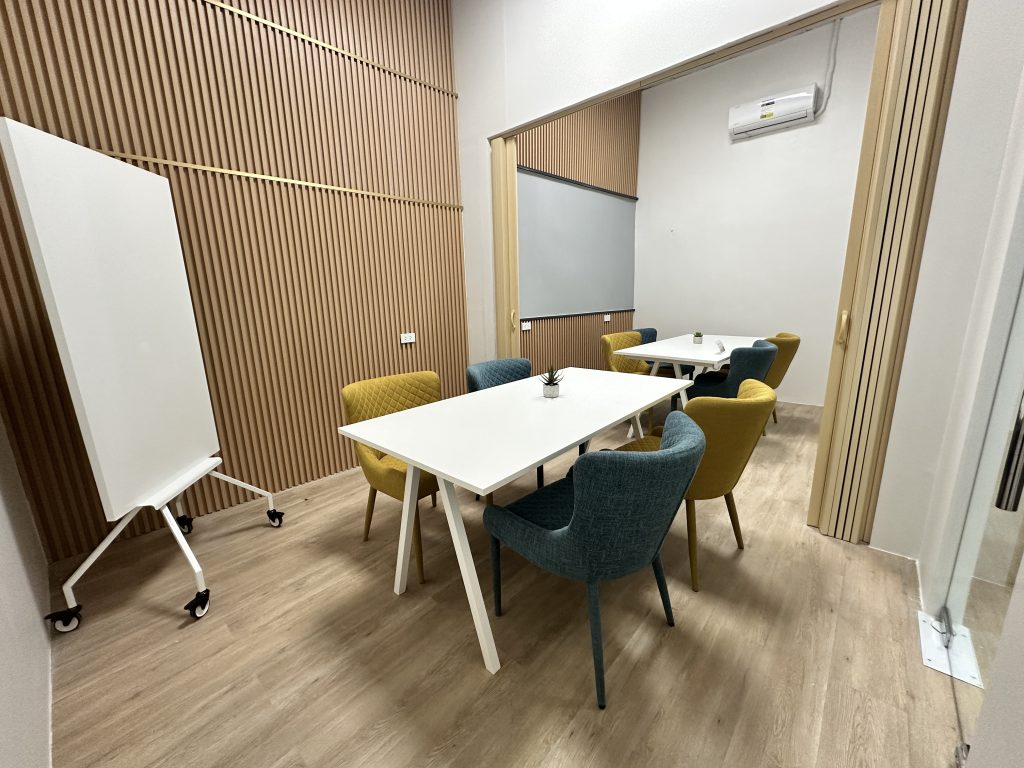
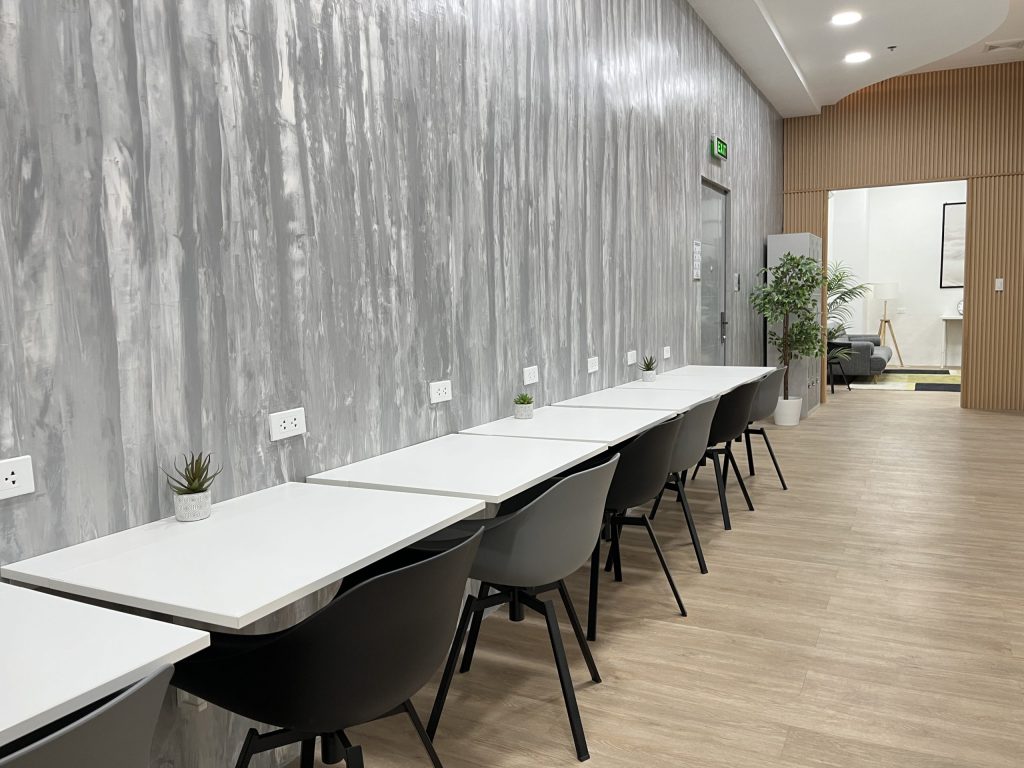
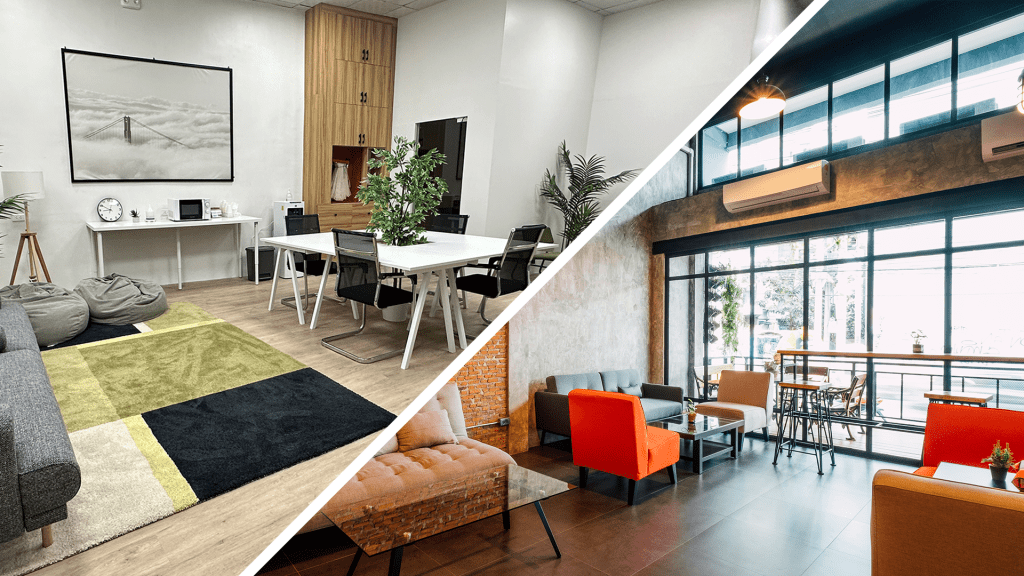
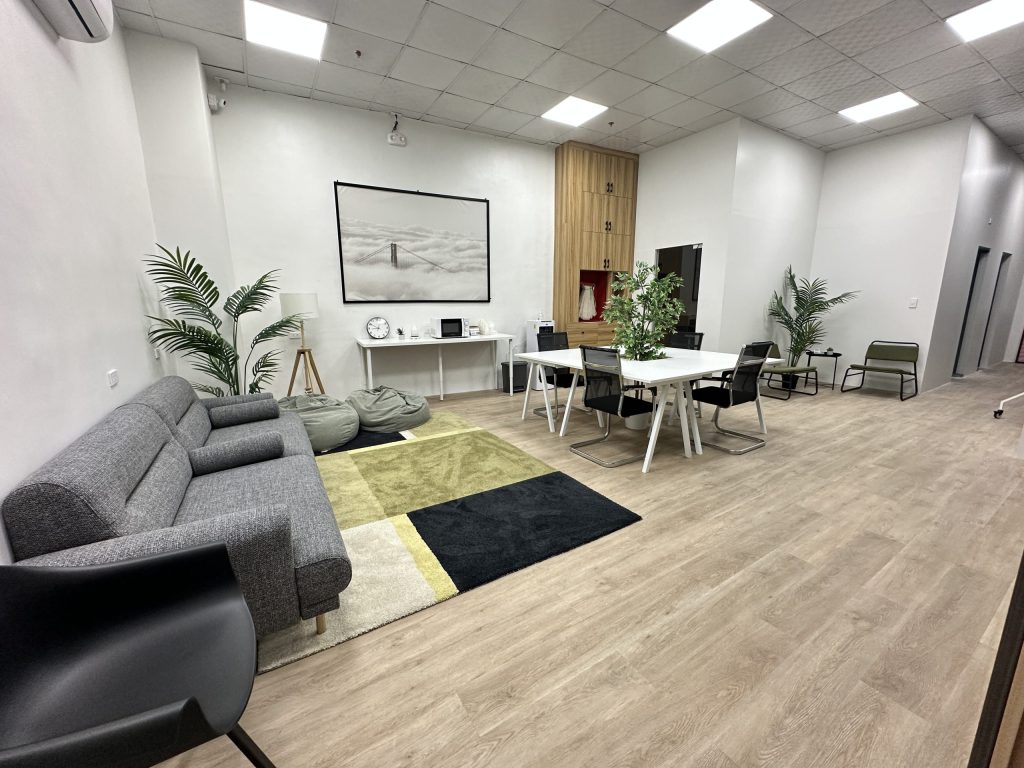
The Real ROI of Coworking Spaces for Freelancers and Small Teams April 13, 2026 Coworking & Productivity The Workspaces Team Share Blog: Facebook Linkedin X For many freelancers and small teams, coworking spaces are often seen as an added expense. When you already have a home setup or access to cafes, paying for a workspace can feel unnecessary. However, this perspective only looks at cost on the surface and does not account for what is gained in return. The real return on investment of coworking spaces goes beyond rent or daily rates. It includes productivity, time efficiency, professional credibility, and even consistency in how work gets done. When viewed this way, coworking becomes less of a cost and more of a strategic tool for better output. What ROI Really Means for Freelancers and Small Teams Return on investment is often associated purely with financial gain. However, for independent professionals and small teams, intangible factors such as time, focus, and work quality carry just as much weight. A distracted workday, unreliable internet, or an unproductive environment can result in missed opportunities that cost far more than the price of a workspace. There is also the concept of opportunity cost to consider. If your current setup limits your ability to concentrate, collaborate effectively, or present yourself professionally to clients, that limitation directly affects your potential for growth. Understanding ROI in this context shifts the question from “How much does coworking cost?” to “What does it enable me to do better?” The Hidden Costs of Working From Home or Cafes Working from home or in cafes is convenient, but it often comes with trade-offs that are easy to overlook. Distractions and inconsistent focus Household interruptions, noise, and multitasking can break concentration throughout the day. Unreliable setup Internet issues, limited desk space, and uncomfortable seating can slow down work. Limited professionalism Taking client calls or meetings in informal settings can affect how your work is perceived. Blurred boundaries When work and personal spaces overlap, it becomes harder to maintain a consistent routine. Individually, these may seem minor. Over time, they compound into reduced productivity and missed opportunities. These challenges are explored further in our previous articles comparing coffee shops vs coworking spaces and working from home vs coworking setups, where we break down how different environments directly impact focus and performance. Tangible ROI of Coworking Spaces Coworking spaces offer clear, practical advantages that directly impact efficiency and cost management, especially for professionals balancing remote work with the need for a more consistent and productive environment. Cost Efficiency Compared to Traditional Offices Unlike traditional office setups, coworking spaces do not require long-term leases, large deposits, or upfront investment in furniture and equipment. This makes them accessible for freelancers and small teams who want a professional setup without committing to fixed overhead. Access to Professional Facilities Reliable internet, proper workstations, and meeting rooms are readily available. Instead of piecing together a work environment, everything is already designed for productivity. This level of readiness reduces daily friction. There is no need to troubleshoot connectivity issues, adjust makeshift setups, or search for suitable meeting venues. Having consistent access to well-maintained facilities allows professionals to focus more on delivering quality work and less on managing their environment. Scalability for Small Teams As teams grow or change, workspace needs can adjust accordingly. You are not locked into more space than you actually use. For example, many professionals in Cavite choose to work from home on some days and use spaces like Workspaces by SOS when they need a more structured setup or a place to meet clients. Intangible ROI That Drives Real Results Some of the most valuable returns are not immediately visible, but they significantly affect performance. Improved Focus and Productivity A dedicated work environment reduces distractions and signals to your brain that it is time to focus. This often leads to better output in less time. When you consistently work in a space designed for productivity, it becomes easier to build routines and maintain deep focus. Over time, this can improve not only the speed of your work but also the quality of your output, as fewer interruptions allow for more sustained concentration. Professional Image Meeting clients in a proper workspace creates a stronger impression. It reflects reliability and preparedness, which can influence trust and decision-making. A professional setting also provides a level of consistency in how you present your work and your brand. Whether it is a formal meeting or a quick discussion, the environment plays a role in reinforcing credibility and making interactions feel more structured and intentional. Time Savings Less time is spent setting up, troubleshooting, or adjusting your environment. You can start working immediately and maintain momentum throughout the day. This efficiency compounds over time. Small delays caused by unstable internet, uncomfortable setups, or constant adjustments can add up and disrupt your workflow. A ready-to-use environment removes these barriers, allowing you to focus on high-value tasks from the moment you begin working. Clear Work-Life Boundaries Having a separate space for work helps create structure. This separation supports consistency and reduces burnout over time. When your workspace is physically distinct from your personal space, it becomes easier to establish routines and switch off at the end of the day. This balance supports long-term productivity by helping you stay disciplined during work hours while still allowing time to rest and recharge. Coworking as a Strategic Tool, Not Just a Workspace Coworking does not have to be an everyday expense to deliver value. Many freelancers and teams use it intentionally. For example: Booking a workspace for deep focus days Using meeting rooms for client presentations Gathering teams for collaboration sessions In places like Kawit, having access to a nearby option such as Workspaces by SOS makes this approach more practical. It allows professionals to choose the environment that fits the task, instead of forcing all work into a single setup. Final Thoughts The real ROI of coworking spaces is not just about what you spend. It is about what you gain in return. Better focus, stronger client impressions, more efficient workdays, and improved consistency all contribute to long-term growth. For freelancers and small teams, these advantages often outweigh the cost of access to a professional workspace. If your current setup makes it harder to stay